Christmas is almost here (yet again), and as usual I reflect on what progress I have made in my genealogy research over the past year. This is not always an easy task; I really should keep a better research log! But I do have a ton of emails to fall back on as well as my digital genealogy trees and my DNA research accounts and notes to review.
At the start of 2018 I resurrected my enthusiasm for blogging, and decided to at least start on another 52 week challenge to write one family history story each week. It involved gathering information I already knew about individuals or groups of deceased relatives (in both Terry's and my trees), doing further research to fill in some of the gaps, and writing it in a way that is hopefully more interesting for living relative who are not genealogists. I did pour a lot of effort into this for the first 4 months, producing 17 blog articles (to the exclusion of almost everything else). See these 2018 posts which involve the surnames BOORMAN, HENSON, RICHARDSON, ANDREW, COMPTON, SEELEY, and JOHNSTON.
The topics covered in this year's blog postings:
But it seems it's either feast or famine with my blogging, as the year is now ending with only one additional posting that summarizes my 32 third-great-grandparents. Starting in May I needed to devote more time to my volunteer work with our local Victoria Genealogical Society where I am now a Director, which encompasses my continuing duties as their Webmaster and co-organizer for their DNA Special Interest Group. There were other VGS projects that needed attention, some still ongoing. So even my own research took a back burner for a while, except when I got welcome emails for others that drew me back into my research for brief periods. Thanks to those who contact me or add comments to my blog posts. Always welcome.
My website is gradually growing, with a new Grigg and Cornish page added this week. And I added more photos to my Andrew page. But the main growth is in the blog (in spite of not doing the full 52 postings this year). My "tree" reports have not been updated this year (based on the information I am editing all year in my family tree software), so that is something to focus on early in the new year.
On the DNA research front, I am trying to encourage close relatives to test, as it makes it much easier to identify what the connections are with other matches, and it broadens the number of new relatives you can find. So I was very happy when my maternal first cousin Mary recently decided to test at AncestryDNA (where I tested a year ago). Her results are now in, and she is one of my top two matches at that company. So now I am on a mission to review and contact all our shared matches, most of whom are 4th to distant cousins. I am currently corresponding with some newly found ANDREW and COMPTON cousins, and this gives me great pleasure:) My list of contacts is happily growing. Last year my maternal cousin Lorelei (also a cousin of Mary) tested Family Tree DNA (where I originally tested late in 2015), so this provides a 3rd set of results from the same grandparents on my mother's side. I also have a first cousin Sherrill on my father's side who has tested. Thank you all! Terry' sister has also tested, as well as our older son. It's fascinating to compare both the variances and similarities between related matches, and through their results get access to even more new cousins.
Family history is my passion and I consider it my personal treasure hunt. That's because each of our families is important and very special, and learning their stories truly does help you better understand your roots. So here's wishing all of you and your special families a wonderful Christmas, and happy and healthy times in 2019.
At the start of 2018 I resurrected my enthusiasm for blogging, and decided to at least start on another 52 week challenge to write one family history story each week. It involved gathering information I already knew about individuals or groups of deceased relatives (in both Terry's and my trees), doing further research to fill in some of the gaps, and writing it in a way that is hopefully more interesting for living relative who are not genealogists. I did pour a lot of effort into this for the first 4 months, producing 17 blog articles (to the exclusion of almost everything else). See these 2018 posts which involve the surnames BOORMAN, HENSON, RICHARDSON, ANDREW, COMPTON, SEELEY, and JOHNSTON.
The topics covered in this year's blog postings:
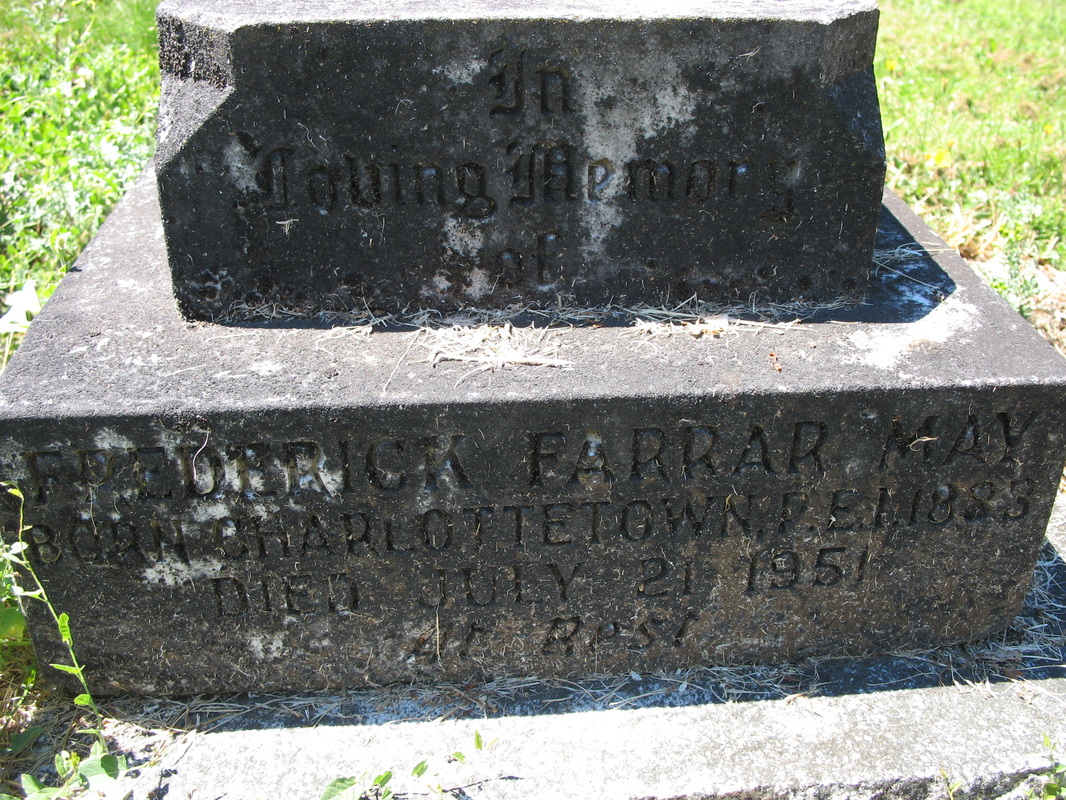
- The discovery of the local grave of Terry's Aunt and Uncle Audrey and Don KING, and many other BOORMAN relatives in the Royal Oak Cemetery (2 postings).
- Terry's grandfather Harry E BOORMAN served in Vancouver BC during WWII as head of the 68th Battery, Canadian Field Artillery, which focused on recruitment and training.
- Used the England Tithe Survey records to explore BOORMAN land usage in Kent in the 1800s.
- Amelia Alice BOORMAN Terry's maiden great-aunt, was an early school teacher in the Victoria BC public school system specializing in needlework for girls.
- Used Vancouver BC Fire Insurance plot maps to learn more about the locations of Terry's JOHNSTON and KERFOOT families (the Irish side), but mysteries remain.
- Explored the life and descendants of Terry's relative Louisa (BOORMAN) Seeley because descendants are DNA matches.
- Reviewed the 1790 will of William BOORMAN.
- Life of Ernest Frederick COMPTON who immigrated to New Zealand and Australia.
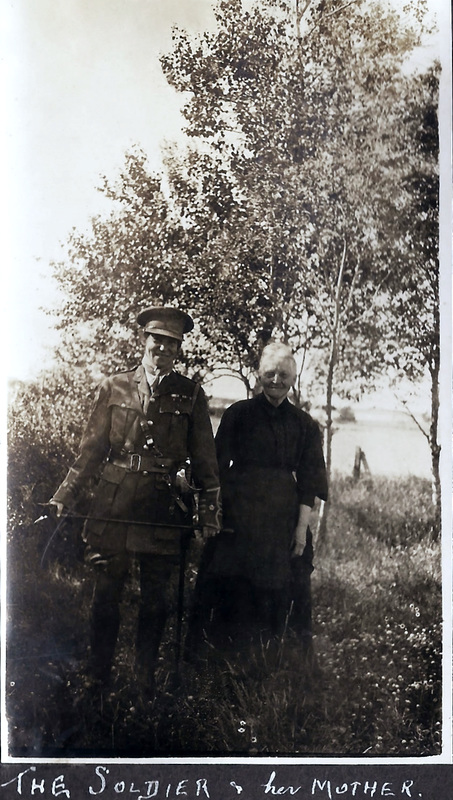
- Reviewed the life of Eliza Pring COMPTON, my great-great-grandmother.
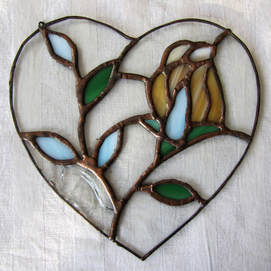
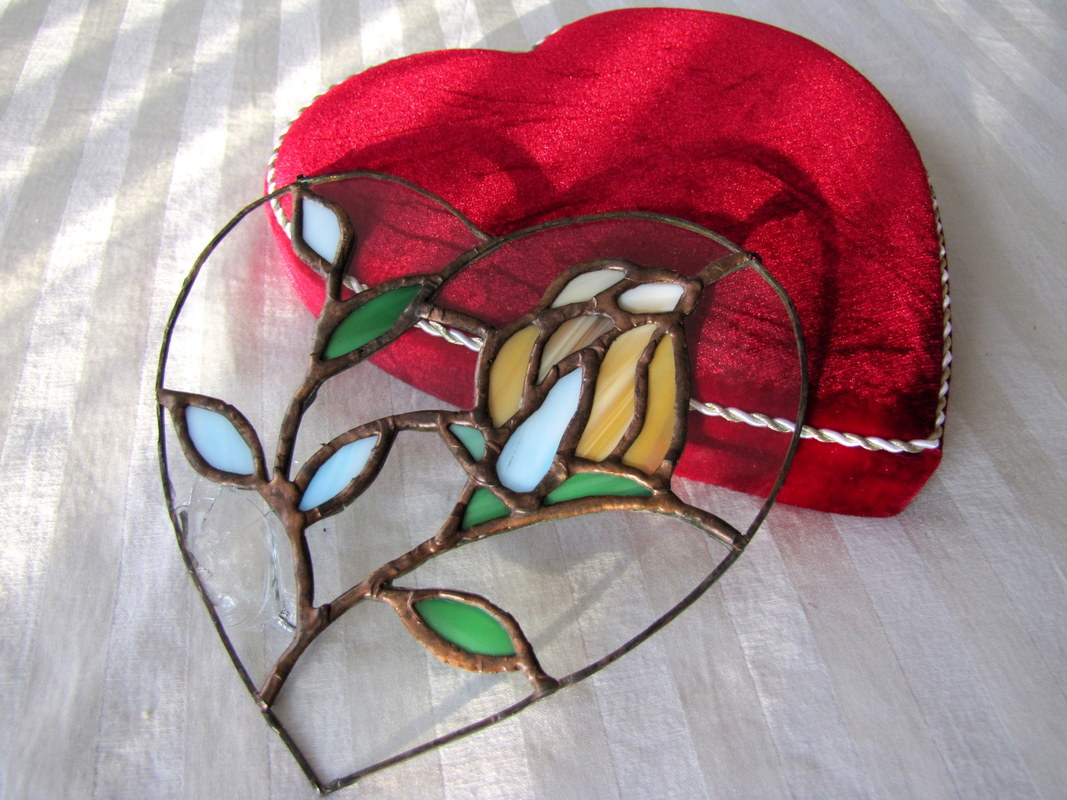
- My ANDREW Aunt Eleanor JONES hand-crafted a stain glass sun catcher for my mother
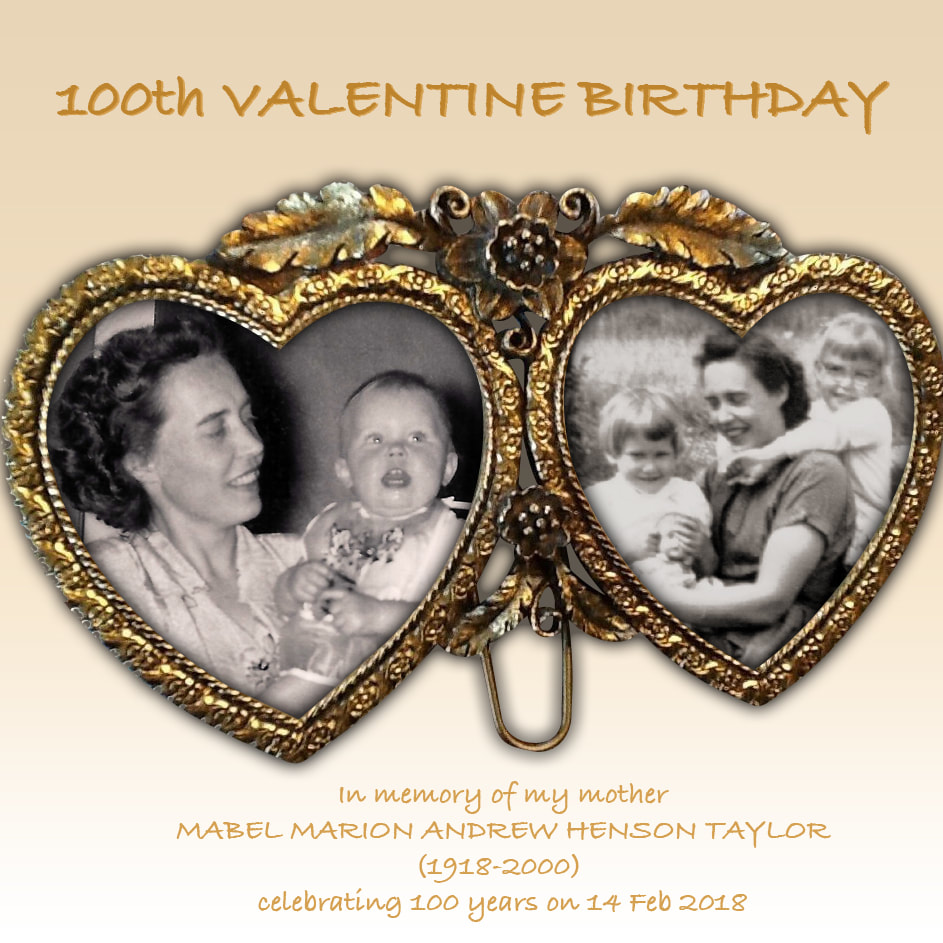
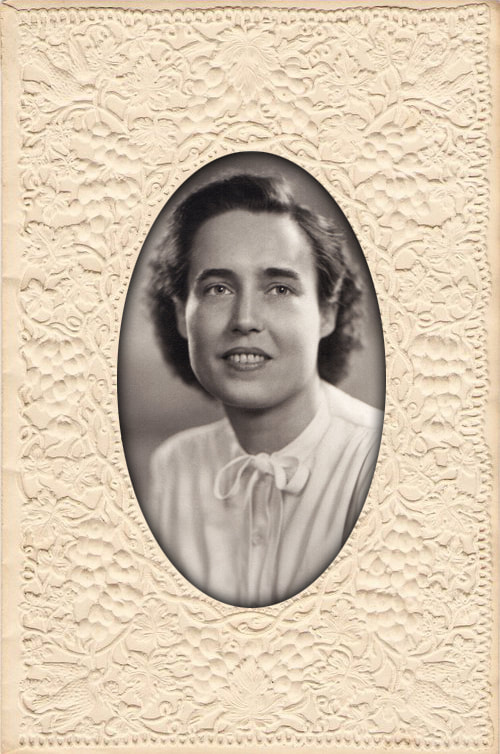
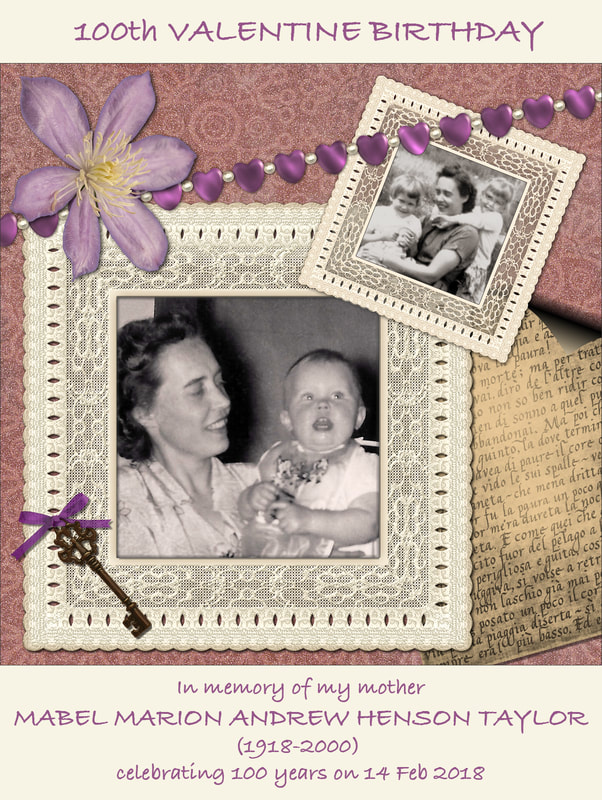
- Celebrating my ANDREW mother's 100th Valentines birthday with cards and photos (2 postings).
- Explored one branch of my early maternal RICHARDSON roots in Sussex England.
- I finally found my father Claude HENSON in the 1921 Canada census. Reviewed his life, including photos of family and his WWII kit bag and hat.
- "Strawberry" HENSON had a unique nickname and a huge family in Arkansas.
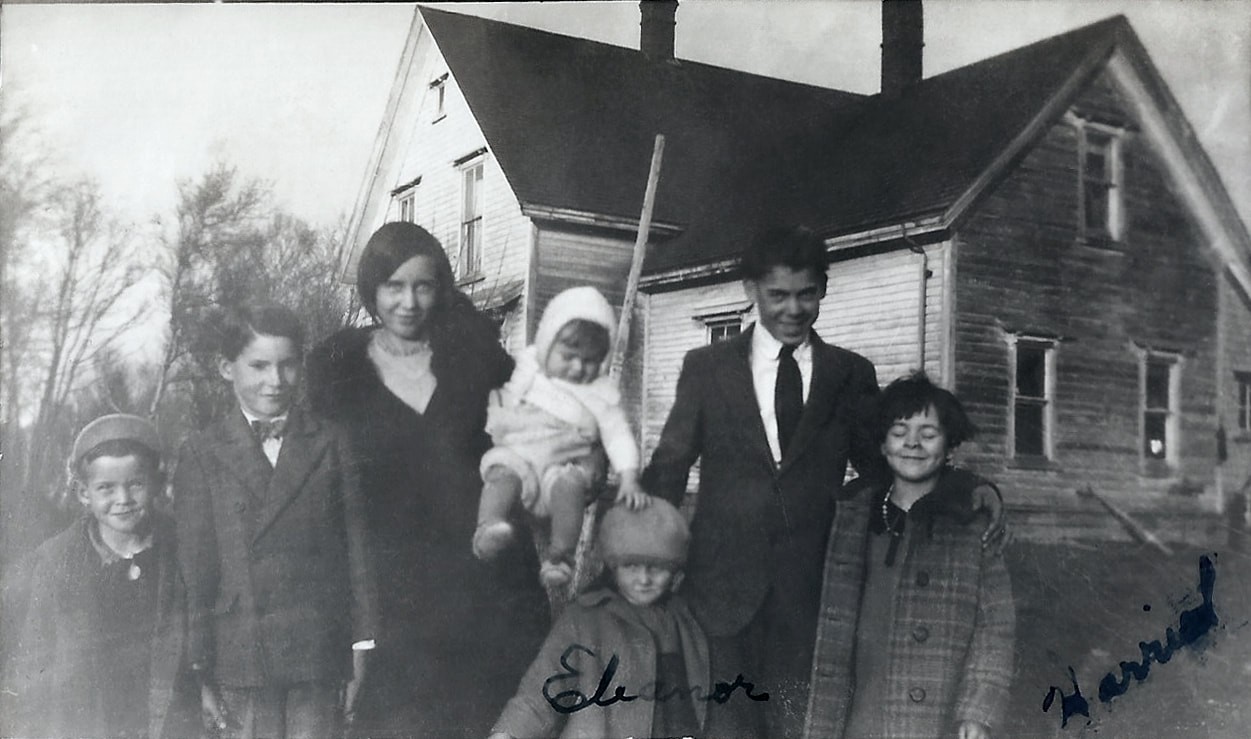
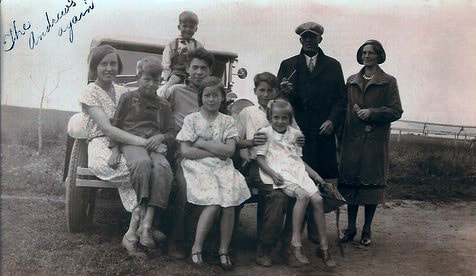
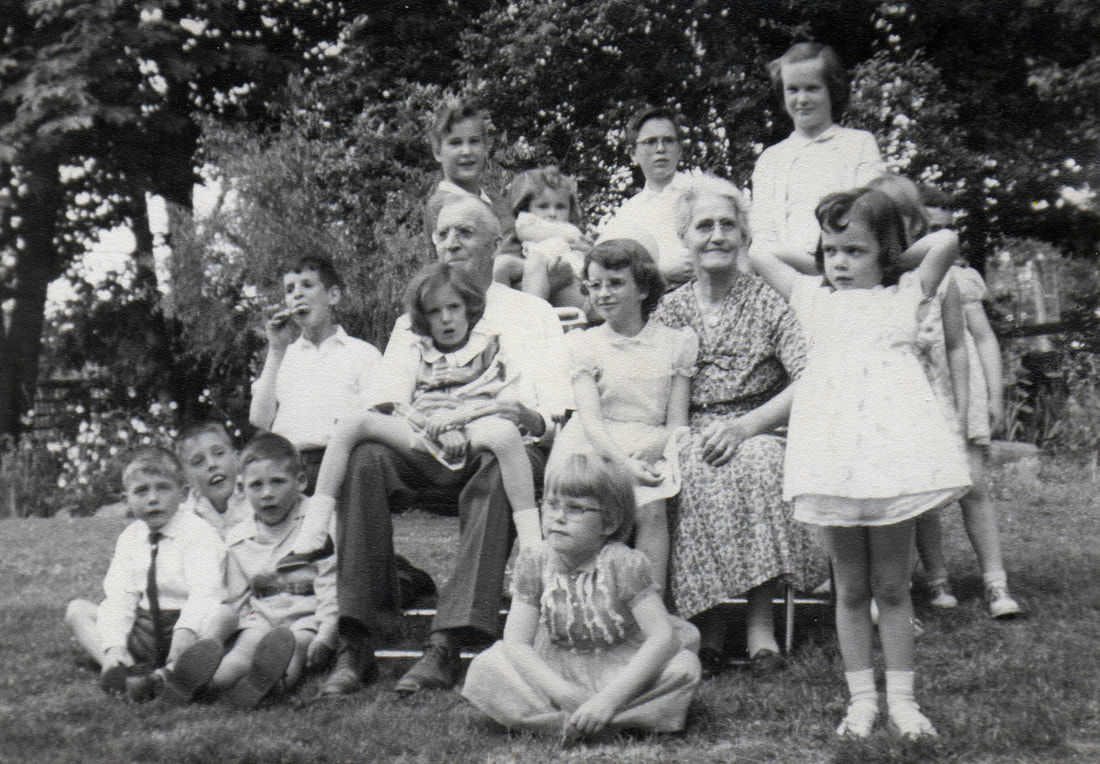
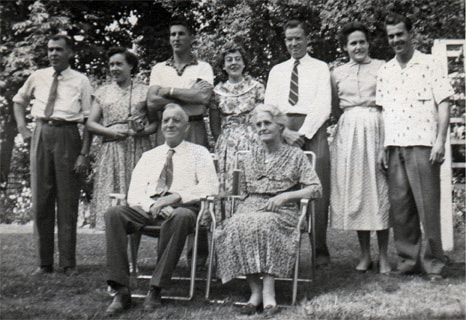
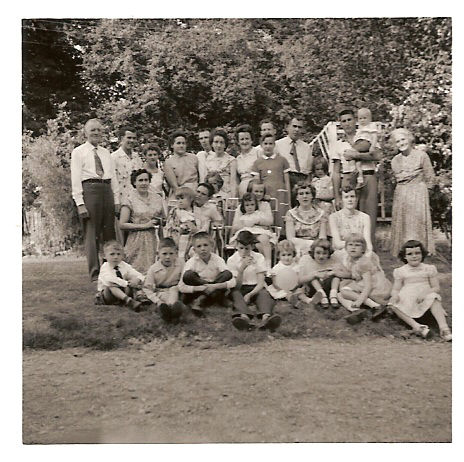
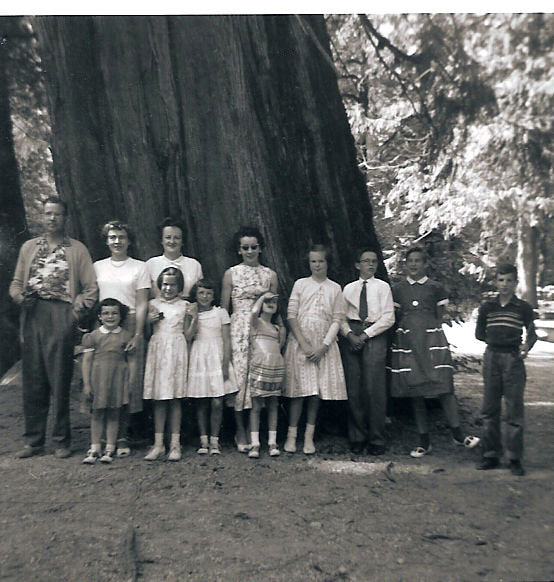
- My memories and photos of our ANDREW family reunion in 1959.
But it seems it's either feast or famine with my blogging, as the year is now ending with only one additional posting that summarizes my 32 third-great-grandparents. Starting in May I needed to devote more time to my volunteer work with our local Victoria Genealogical Society where I am now a Director, which encompasses my continuing duties as their Webmaster and co-organizer for their DNA Special Interest Group. There were other VGS projects that needed attention, some still ongoing. So even my own research took a back burner for a while, except when I got welcome emails for others that drew me back into my research for brief periods. Thanks to those who contact me or add comments to my blog posts. Always welcome.
My website is gradually growing, with a new Grigg and Cornish page added this week. And I added more photos to my Andrew page. But the main growth is in the blog (in spite of not doing the full 52 postings this year). My "tree" reports have not been updated this year (based on the information I am editing all year in my family tree software), so that is something to focus on early in the new year.
On the DNA research front, I am trying to encourage close relatives to test, as it makes it much easier to identify what the connections are with other matches, and it broadens the number of new relatives you can find. So I was very happy when my maternal first cousin Mary recently decided to test at AncestryDNA (where I tested a year ago). Her results are now in, and she is one of my top two matches at that company. So now I am on a mission to review and contact all our shared matches, most of whom are 4th to distant cousins. I am currently corresponding with some newly found ANDREW and COMPTON cousins, and this gives me great pleasure:) My list of contacts is happily growing. Last year my maternal cousin Lorelei (also a cousin of Mary) tested Family Tree DNA (where I originally tested late in 2015), so this provides a 3rd set of results from the same grandparents on my mother's side. I also have a first cousin Sherrill on my father's side who has tested. Thank you all! Terry' sister has also tested, as well as our older son. It's fascinating to compare both the variances and similarities between related matches, and through their results get access to even more new cousins.
Family history is my passion and I consider it my personal treasure hunt. That's because each of our families is important and very special, and learning their stories truly does help you better understand your roots. So here's wishing all of you and your special families a wonderful Christmas, and happy and healthy times in 2019.








 RSS Feed
